
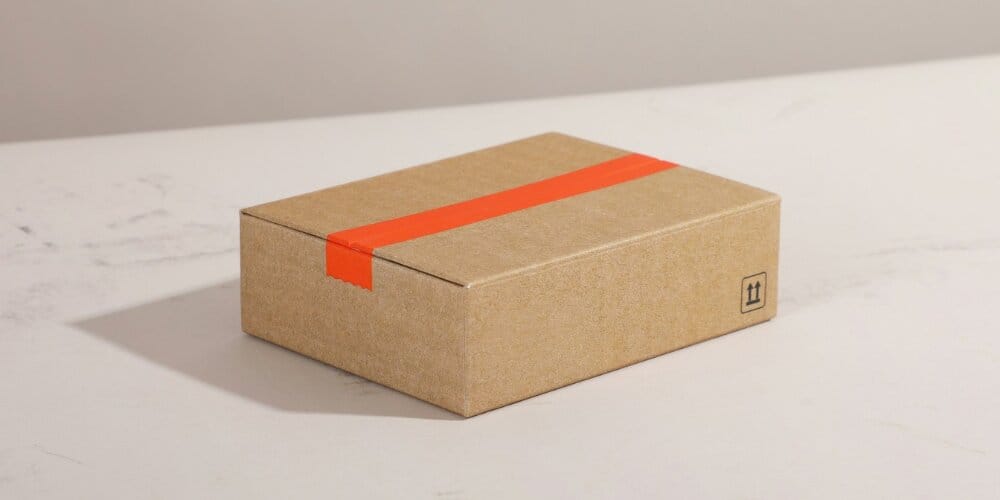
A card breaker's packaging has to do three jobs that don't naturally get along. It needs to be quick to pack while you're moving through a stack of orders, protective enough to keep a single graded slab safe when it's traveling alone, and presentable enough to look good on camera. Breakers need all three at once, and that tension shapes the packaging decision, not just "how do I ship a card safely."
Group breaks and box breaks work by having a host open sealed product live while collectors who bought spots or teams watch and receive cards according to the break's rules. Most sealed-product breaks produce raw cards, while graded-card repacks and other formats may involve slabs from different grading companies. Once the camera stops rolling, though, you're a shipping operation with individual orders to get out the door, and that's where packaging choices start costing you real time or real money.
The Pack-Time Problem
Every second you spend packing a box is a second multiplied by however many orders you're shipping that week. A breaker handling a large stack of orders needs packaging that's straightforward to assemble, load, and seal.
Magnetic rigid boxes and tuck-top mailer boxes can simplify the closing step. A magnetic rigid box has a hinged lid that snaps shut with a built-in magnetic closure. A tuck-top mailer closes by folding and securing the top flap. But closing a box for presentation is different from sealing it for shipment: magnetic rigid boxes should sit inside protective corrugated outer packaging, and tuck-top mailers may still need tape or an adhesive seal.
Think about the math. If a packing step adds 15 seconds per order and you ship 150 orders after a break, that's 37.5 minutes added to your night. A style that reduces handling can save time, but only if that saving holds across the complete pack-out process, including the insert, cushioning, outer box, and seal.
For high-volume shipping, mailer boxes are a practical starting point. They arrive flat and need assembly, so preparing a batch before the stream can help keep dispatch moving. For premium orders, a magnetic rigid box can make presentation straightforward, but the outer shipping box adds another packing step.
Before choosing a style, time a small batch from empty packaging to a sealed, labeled shipment. That's a more useful comparison than lid-closing speed alone.
The Single-Slab Shipping Problem
Shipping several cards to one buyer is one thing. Shipping a single graded slab is a different problem. A slab rattling inside an oversized box has room to slide, twist, and hit a corner on impact.
A fitted insert can hold the slab centrally and limit movement, with cushioning between the holder and the box walls. The complete pack also needs protection above and below the slab. A snug cavity helps with retention, but fit alone does not guarantee that the packaging will absorb an impact.
For a single slab, that might mean a die-cut cardboard or foam insert sized to the holder, sitting inside a suitably specified corrugated shipping box. If you're using a rigid presentation box, place that box inside a protective corrugated outer box with appropriate cushioning.
Choose the outer box's strength around the complete shipment rather than assuming every slab needs double-wall board. FedEx's packaging guidelines, for example, recommend double-wall boxes for heavier items and double-boxing for fragile items. Check the guidance for your carrier, service, and coverage before shipping high-value cards.
Raw cards and graded slabs also need different preparation. Protect raw cards with a suitable sleeve and holder before packing them. For already-graded cards, protect the slab's surface and cushion the holder inside the shipping box. Custom box inserts can help keep either format in position, provided the design accounts for the actual holder and any protective bag around it.
What's On Camera Matters Too
Buyers who purchase a spot in a break are watching for the moment their card comes out. If you also show the packing process on stream, the packaging becomes part of that presentation.
A plain shipping box does the job without drawing attention. A printed box with your channel's logo, colors, and a clean interior can turn that same moment into a recognizable part of your brand.
The buyer's unboxing offers another opportunity. If they film and share it, your packaging may help introduce the channel to other collectors. Even when nobody posts a video, consistent presentation helps buyers recognize each delivery.
Custom printed boxes let that branding travel with every order, not just the ones filmed on stream. Interior lid printing, a printed sleeve, or an insert card can keep the branding visible when the package is opened. Compare the cost of each option within your complete packaging setup rather than assuming one is always cheaper.
Mixed Hits Need a Tested Insert Fit
If you ship graded-card repacks or sell mixed inventory alongside your breaks, a single night might send out a PSA slab, a BGS slab, and a raw card in a toploader. Those holders do not all share the same dimensions.
A cavity cut loosely to fit "a slab" in general can leave smaller holders with room to move. A cavity that's too tight can make loading difficult or put pressure on the case. Raw-card toploaders may need a separate insert or an adapter rather than the same cavity used for graded slabs.
The practical answer is an insert designed around the actual holders you ship, with retention features tested for each size. Measure length, width, and thickness, including any protective bag. Check that each holder stays supported when the box changes orientation and can be removed without forcing it.
PackMojo offers multi-fit foam inserts for standard PSA, BGS, and CGC slabs, alongside custom structural design for specific holders and layouts. If you need to include SGC slabs, raw toploaders, or other styles in the same packaging, confirm the configuration with the team rather than assuming a universal cavity will fit them all.
The Practical Spec
Put together, a break-and-ship packaging setup comes down to the box format, insert, transit seal, and where the branding sits.
| Decision | Recommended Option | Why It Works |
|---|---|---|
| Shipping format | Corrugated mailer box with a secure transit seal | Combines shipping protection with a straightforward pack-out process |
| Premium presentation | Magnetic rigid box inside protective corrugated outer packaging | Separates the branded reveal from the demands of transit |
| Insert | Die-cut cardboard or foam insert tested with the actual holders | Limits movement and provides support suited to the contents |
| Branding | Interior lid print, printed sleeve, or insert card | Keeps branding visible when the buyer opens the package |
| Minimum order | From 100 units for mailers and folding cartons; generally 300 for rigid and magnetic boxes | Allows you to choose an entry quantity around the format and configuration |
For breakers testing branded packaging for the first time, mailer boxes and folding cartons start at 100 units. Folding cartons can work as inner product packaging, but should not be treated as a substitute for a corrugated shipping box.
Rigid and magnetic closure formats generally start at 300 units. Custom foam inserts start at 300 units when ordered with a box, while standalone foam inserts start at 500 units. Confirm the minimum for your complete trading card packaging configuration, since adding an insert can change the entry quantity.
Estimate how long an order will last from your expected shipments per week. Several hits may go into one buyer's package, so shipment count is more useful than the number of cards pulled.
Check the Complete Pack Before Production
An insert that looks snug on the table still needs to work inside the closed box. Check for movement above the slab, pressure from the lid, and enough space for the buyer to lift the holder out comfortably.
A structural sample is useful for checking size, assembly, and insert fit before committing to production. For transit performance, evaluate the complete packed shipment, including the outer box, cushioning, and seal.
ISTA 3A addresses parcel-delivery hazards through a combination of shock and vibration testing. Its test sequence depends on the package type, so there isn't one universal drop count or height that proves every card package is suitable. Select an appropriate testing procedure with your packaging team or testing provider.
Closing Thoughts
Packaging for live breaks has to balance packing speed, protection, and presentation. Choose the format around the complete shipping process, then test the insert with the holders you actually send. PackMojo can help develop custom boxes and inserts so the branded presentation works alongside the protective outer packaging.