
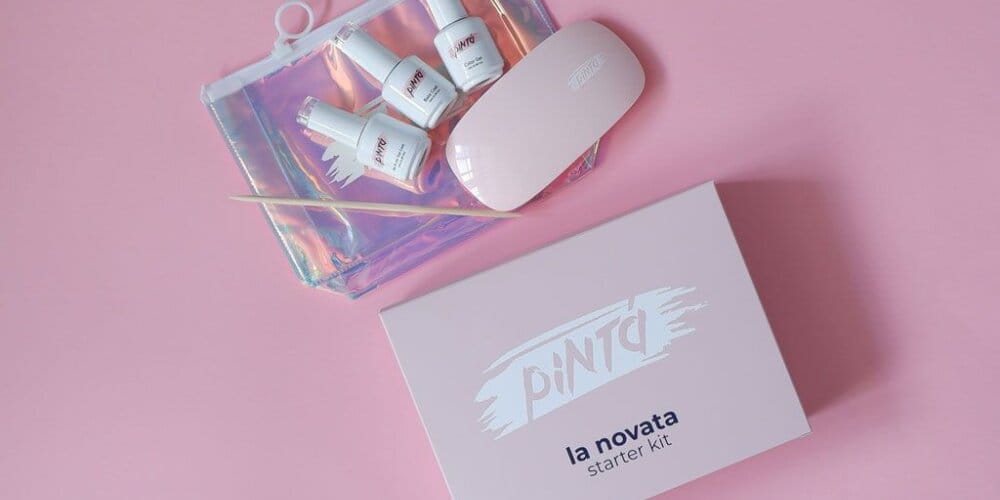
Cosmetics boxes have to protect delicate products while carrying required label information and presenting colors accurately online and in-store. Glass bottles, pumps, droppers, detailed ingredient lists, and shade-sensitive artwork all add constraints that should be addressed before production begins.
PackMojo works with cosmetics and skincare brands ordering from initial launch quantities to hundreds of thousands of units. Common sourcing questions include how much panel space the required copy will occupy, which finish suits the brand's positioning, and what order quantity makes sense for an unproven SKU. This guide covers what beauty brands should confirm before requesting a packaging quote.
What Beauty Packaging Needs
A skincare jar carton and a supplement carton might use the same folding carton structure, but their design requirements can be quite different. Cosmetics brands commonly need to account for labeling, tamper evidence, product protection, and color reproduction.
- Required labeling space: Cosmetics sold in markets such as the US, EU, UK, Canada, and Australia must carry specific label information. Depending on the market and product, this may include an ingredient list, net contents, responsible company details, usage precautions, batch information, and product function. The required content and its placement vary by jurisdiction, so brands should confirm the applicable regulations for every market where the product will be sold.
- Tamper evidence: Depending on the product, sales channel, and local regulations, a brand may add a seal, label, perforation, or shrink band that makes prior opening visible. A standard carton or rigid box is not automatically tamper-evident.
- Protection for glass and dispensing components: Serums and fragrances often use glass containers with pumps or droppers. A fitted insert can reduce movement and help protect the glass, closure, and applicator during distribution. The complete packaging system, including the unit box and shipping container, should be evaluated rather than relying on the product carton alone.
- Accurate color presentation: For makeup and shade-led skincare products, packaging color helps set expectations about the product inside. Substrate, ink, coating, photography, lighting, and screen settings can all affect how that color appears.
These requirements should be addressed before the artwork is finalized. Otherwise, the brand may need to revise the dieline when mandatory copy does not fit or repeat sampling when the printed color does not meet expectations.
Matching the Box Format to the Product
The right box format depends on the product, its sales channel, and the intended customer experience. Folding cartons, rigid boxes, and mailer boxes are three common options for cosmetics and skincare brands.
Folding cartons
Folding cartons are widely used as unit boxes for skincare bottles, lipstick, fragrance, and foundation products sold at retail. They are lightweight, offer ample printable space, and ship flat before assembly, which can reduce storage and freight requirements for high-volume SKUs.
For example, a 30 ml glass dropper bottle could use a folding carton with a cardboard insert. The insert limits movement while leaving the outer panels available for branding and required label information.
Rigid and magnetic rigid boxes
Rigid boxes and magnetic rigid boxes are well suited to premium products, gift sets, and limited collections. Their thicker walls provide a more substantial presentation, while a custom insert can hold one or more products in position.
A holiday skincare set containing several bottles might use a rigid box with a divided insert. The structure gives each item a defined position and creates a more deliberate opening experience.
Mailer boxes
Mailer boxes are designed for eCommerce brands shipping products directly to customers. They can act as both a protective shipping container and a branded unboxing format, although fragile products may still require an insert, void fill, or additional protection.
Retail unit cartons and direct-to-consumer mailers serve different roles, even though both must withstand handling during distribution. Selecting the format based on the sales channel helps avoid adding unnecessary material or asking one box to perform incompatible functions.
Getting Color Right When the Shade Is the Product
Color consistency is a brand requirement for most consumer products. In cosmetics, it may also shape the customer's expectation of the shade or formula inside.
Packaging cannot fully account for differences in photography, lighting, screen calibration, or how a cosmetic product appears on different skin tones. However, controlled printing and physical proofs can reduce avoidable variation between the approved artwork and the finished box.
Offset printing is widely used for cosmetics packaging because it supports repeatable color reproduction at scale. Pantone spot colors can be used when a specific brand color requires tighter control, while CMYK is generally used for photographs and multi-color artwork. Digital printing is often useful for shorter runs, simplified samples, and faster production requirements.
Color appearance is also affected by the packaging material and finish. The same ink can look different on white paperboard, kraft material, a matte surface, or a glossy surface. Brands should therefore approve color on a physical reference that reflects the intended production material whenever color matching is critical.
Finish selection affects both appearance and tactile experience:
| Finish | Look and feel | Common application |
|---|---|---|
| Matte lamination | Smooth, low-reflective surface | Minimalist skincare and understated designs |
| Glossy lamination | Bright, reflective surface | Vibrant artwork and color cosmetics |
| Soft-touch lamination | Velvety, tactile surface | Premium skincare and gift packaging |
| Spot UV | Glossy accent over selected areas | Logos, patterns, and product names |
| Metallic foil stamping | Reflective metallic detail | Prestige collections, fragrance, and gifting |
These associations are not fixed rules. A matte box can still feel luxurious, while foil stamping can look restrained or highly decorative depending on the artwork. Finishes can also affect color perception, contrast, recyclability, and the customer's overall impression of the packaging.
Ordering at Launch Volume Without Over-Committing
A new shade, limited collaboration, or first skincare SKU rarely has a proven sell-through rate. Ordering too much packaging can tie up working capital and leave the brand with obsolete inventory if the product, formula, or label information changes.
PackMojo’s folding cartons and mailer boxes start at 100 units, which can suit brands testing a new SKU before a larger rollout. Rigid boxes, magnetic rigid boxes, and most other packaging formats start at 300 units. PackMojo can also support larger runs, including volumes in the hundreds of thousands, as demand grows.
Unit price still matters, but it should be considered alongside inventory risk. A lower unit cost does not necessarily save money if much of the packaging remains unused.
Folding cartons, rigid boxes, and magnetic rigid boxes can also be paired with custom inserts designed around the product. The insert might hold a single dropper bottle, separate the components of a gift set, or prevent a pump from contacting the box wall. Developing the box and insert together helps confirm the fit before production.
A Sourcing Checklist Before Requesting a Quote
An accurate quote and timeline depend on having the main project requirements defined before contacting a packaging manufacturer.
- Product dimensions and weight: Measure the bottle, jar, tube, or compact at its widest and tallest points. Include pumps, caps, droppers, and applicators that extend beyond the main container.
- Product arrangement: Confirm how many items will go inside the box and how they should be positioned. This is especially important when a custom insert or divider is required.
- Artwork status: Determine whether print-ready artwork already exists or whether artwork layout still need to be completed.
- Sales market: Identify the countries or regions where the product will be sold. Label requirements vary, so the packaging layout should be reviewed for each market before approval.
- Target launch date: Work backward from the launch date to allow time for structural development, sampling, revisions, production, and shipping. PackMojo's standard production typically takes 12 to 16 days, while high-volume or specialty orders may take longer. Shipping time depends on the destination and freight method. You can plan your packaging purchase timeline here.
- Volume for the first run: Quote the quantity required for the current launch separately from the projected volume after the SKU has been proven.
- Material and finish intent: Share references for the desired look and feel. A manufacturer can then recommend suitable materials, printing methods, laminations, and decorative finishes.
- Sampling requirements: Select the sample or proof based on what needs to be confirmed rather than treating every sample type as interchangeable.
PackMojo offers several sampling options:
- A structural sample is blank and unprinted. It is best for checking size, structure, and product fit.
- A simplified sample uses low-fidelity CMYK printing without finishes or add-ons. It helps visualize the general artwork placement.
- A pre-production sample is produced using production facilities and is best for reviewing the intended final result, including print, finishes, and add-ons.
- A press proof is a flat proof produced with the actual printing facilities used in production. It is suitable for checking production color and selected finishes.
- A Pantone color chip provides a physical reference for confirming a specific Pantone color.
- A sample kit helps brands review PackMojo's general production quality, packaging structures, materials, and finish examples.
When product fit or shade-sensitive printing is critical, a sample kit alone is not enough. Request the relevant custom sample, proof, or color chip before approving the production run.
Closing Thoughts
Cosmetics packaging should be planned around the product, sales market, sales channel, and realistic launch volume. Addressing label space, product protection, color control, and sampling early can prevent avoidable revisions once the artwork or production schedule is already fixed.
PackMojo offers custom printed boxes across folding cartons, rigid boxes, magnetic rigid boxes, and mailers. Brands can also explore dedicated cosmetics and skincare packaging options and request the appropriate sample before moving into production.