
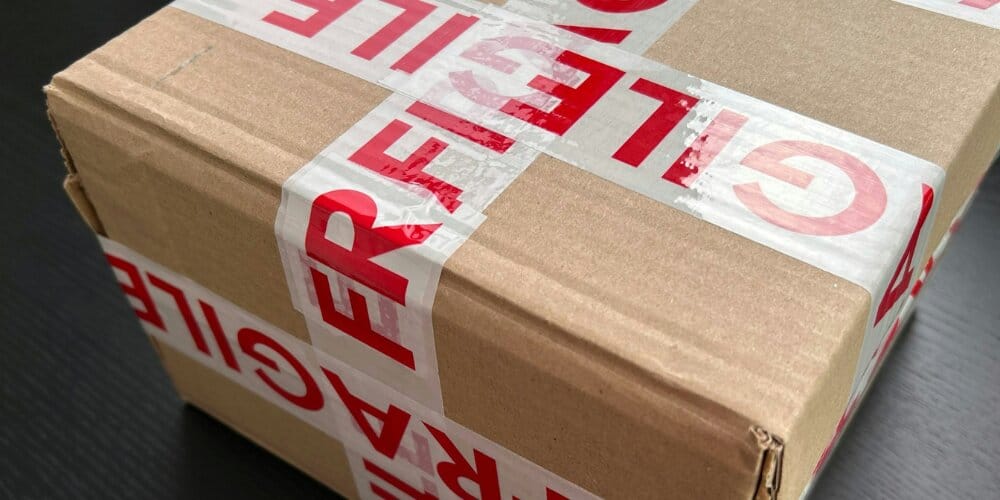
The TL;DR, 30-second version: Warm the adhesive (hair dryer, ~30 seconds), lift the bulk with a plastic card, then wipe what's left with the gentlest cleaner that suits the surface: soapy water first, rubbing alcohol next, oil or a solvent only if you must. Always spot-test in a hidden corner first. Match the method to the material, not the other way around.
You've waited days for the package, sliced it open, and there it is: a cloudy, sticky smear of adhesive that the tape left behind like an unwelcome houseguest. It clings to glass, plastic, painted wood, and metal with a stubbornness that feels almost personal: and the wrong fix can leave a scratch, a haze, or a stain that's worse than the residue itself.
Most guides hand you a list of ten household tricks and wish you luck. The problem is that the right trick depends almost entirely on what the residue is stuck to. Acetone that rescues a metal shelf will melt a plastic bin. Oil that lifts glue off glass will stain raw wood. So this guide is organized the way the job actually works: understand the glue, pick by surface, and escalate gently. Let's get the gunk off cleanly.
Why tape leaves residue at all
Packaging tape is coated with a pressure-sensitive adhesive: usually an acrylic or rubber-based compound that's engineered to form a bond the instant you press it down, with no water, heat, or curing time needed. That's exactly what you want during shipping and storage, where the seal has to survive being stacked, jostled, and dragged through temperature swings.
The trouble starts when the bond between the adhesive and the tape backing is weaker than the bond between the adhesive and your surface. Pull the tape off and the glue stays behind, especially after it's had time to warm up, settle, and creep into the microscopic pores of whatever it's touching. Heat and time are the enemies here: a box that baked in a hot delivery truck will have far more transferred adhesive than one opened the same afternoon. Understanding this points straight to the solution, soften the adhesive and break its grip, rather than scrubbing harder and harder against a bond that only gets more brittle.
Always climb the ladder, gentlest first
The single biggest mistake is reaching for the strongest solvent first. The smarter approach is to start with the mildest method and escalate only if you need to: each rung is more aggressive than the last, and you stop the moment the residue lifts.
- Warm soapy water: A drop of dish soap in warm water, a few minutes' soak, and gentle scrubbing. Handles fresh, light residue on nearly anything.
- Heat + a plastic edge: A hair dryer on medium for ~30 seconds softens the adhesive; lift it with a plastic card or scraper held at a low angle.
- Rubbing (isopropyl) alcohol: The reliable next step for glass, metal, and most hard plastics. Evaporates fast, leaves no oily film.
- White vinegar: A milder, food-safe acid for painted finishes and surfaces that scratch easily.
- Cooking oil or a baking-soda paste: Oil dissolves stubborn glue on non-porous surfaces; a baking-soda paste adds gentle, controlled friction.
- Acetone or a commercial remover: The heavy artillery: Goo Gone, De-Solv-It, or nail polish remover. Fast and powerful, but it can strip paint and melt plastic. Last resort only.
⚠️ Do this before anything else: Spot-test every method on a hidden patch; the back corner, the underside, somewhere a stain won't show. Wait a minute or two and check for discoloration, softening, or dulling before you treat the visible area. A 60-second test prevents the kind of mistake you can't undo.
Match the method to the surface
This is where most guides fall short. Here's the at-a-glance version, followed by the detail that keeps you out of trouble.
| Surface | Start with | Safe to use | Avoid |
|---|---|---|---|
| Glass | Soapy water | Alcohol, vinegar, oil, scraper | Heavy abrasives |
| Metal | Heat + card | Alcohol, oil, acetone* | Acetone on paint |
| Hard plastic | Soapy water | Alcohol (test), oil, vinegar | Acetone, high heat |
| Finished wood | Oil or vinegar | Hair dryer, mild oil | Acetone, alcohol |
| Raw / unfinished wood | Heat + scrape | Mineral spirits (test) | Oil, water-soaking |
| Fabric / upholstery | Ice, then soap | Baking-soda paste, alcohol (test) | Oil, acetone |
| Cardboard / paper | Heat + slow peel | A gentle hair dryer | Any liquid solvent |
*Acetone is safe on bare metal but will lift paint, lacquer, and clear coats, test first.
Glass and other non-porous surfaces
Glass is the forgiving one because nothing soaks in. Start with warm soapy water and a microfiber cloth. If the residue resists, press an alcohol- or vinegar-dampened cloth over it for a few seconds, then rub in small circles: the glue turns dull and streaky, then disappears. For thick, baked-on rings, lay a drop of cooking oil under a square of cling film, wait five to ten minutes, and wipe clean before a final soapy rinse so no film remains. A plastic scraper or old credit card held flat clears the bulk without scratching.
Metal
Heat works fast on metal: warm the spot with a hair dryer, then ease the glue off with a plastic card. Rubbing alcohol or an oil-based product (vegetable oil, mineral spirits, or WD-40) clears the rest. Acetone is fair game on bare metal but will strip paint and finishes in seconds, so reserve it for unpainted surfaces you've spot-tested. Whatever you use, finish with soapy water to remove any oily residue.
Hard plastic
Plastic is sturdier than wood but it scratches easily and doesn't love heat or harsh solvents. Warm soapy water and a microfiber cloth handle most of it. For stubborn spots, dab on rubbing alcohol with a cotton ball: but spot-test, because alcohol can cloud or discolor some plastics. A little cooking oil or WD-40 works too; wash the oil off afterward with a drop of dish soap. Skip acetone entirely; it eats into many plastics and leaves a permanent foggy etch.
Finished and unfinished wood
On finished wood, treat the finish, not the wood, gentle is the rule. Warm the residue with a hair dryer and lift it with a plastic edge, then rub away the rest with a cloth lightly dampened in oil (olive, mineral, or lemon oil) or white vinegar. Avoid alcohol and acetone, which can dull or strip the clear coat. Unfinished wood is porous and soaks up everything, so keep oil and standing water off it; heat and careful scraping with a putty knife held nearly flat is safest, with mineral spirits as a spot-tested backup.
Fabric and upholstery
Cold, not solvent, is the trick here. Hold an ice cube (sealed in a bag to avoid wetting the fabric) against the residue until the adhesive hardens and turns brittle, then scrape it off. Follow up with a baking-soda-and-water paste worked gently into any remaining stickiness, or a spot-tested dab of alcohol. Never use oil on fabric: it trades a sticky mark for a grease stain.
Cardboard and paper (saving the box)
If you're trying to reuse or recycle a box, liquids are off the table, they'll pulp the cardboard. Instead, warm the tape with a hair dryer and peel it back slowly at a low angle, which lets the adhesive release with the tape rather than tearing the surface fibers. This is also the gentlest way to remove a shipping label without shredding the box beneath it.
Prevent residue before it starts
Every removal method is a workaround for tape that wasn't right for the job. The most reliable fix is upstream, at the point where the package is sealed.
Choose the right tape for the surface. Low-tack tapes and painter's tape are designed to release cleanly and leave minimal residue. Water-activated paper tape (WAT) is the gold standard for shipping cartons: it bonds into the cardboard fibers for a tamper-evident seal, yet it's plastic-free and recycles right along with the box: no peeling, no residue, no separate disposal step. Apply tape to clean, dry surfaces and press it down evenly without trapped air, since a clean, even bond is far less likely to shed adhesive on removal. And when you do peel, pull slowly at a low angle rather than ripping straight up.
For brands shipping product: Residue is part of the unboxing experience. A customer who has to scrub glue off your beautifully printed box remembers the friction, not the design. Specifying clean-release tape (or skipping plastic tape altogether with a paper-based seal) protects both the surface and the first impression.
What to keep within reach
You can solve almost every residue problem with a small, everyday kit: no specialty chemicals required. Keep a plastic scraper or old card, a hair dryer, a few microfiber cloths, rubbing alcohol or white vinegar, a little dish soap, and some cooking oil together in one spot. Work in a ventilated area, keep solvents away from open flame, and wear gloves if you're reaching for the stronger stuff. With these on hand, you'll rarely need anything harsher.
FAQ
What's the fastest way to remove tape residue?
Warm it with a hair dryer for about 30 seconds, lift the bulk with a plastic card, then wipe the rest with rubbing alcohol on a microfiber cloth. On most hard surfaces you'll be done in under two minutes.
Does WD-40 remove tape residue?
Yes: it's oil-based, so it dissolves adhesive well on metal, glass, and hard plastic. The catch is that it leaves an oily film, so always wash the area afterward with dish soap. Avoid it on fabric and raw wood.
Is rubbing alcohol or vinegar better?
Alcohol is stronger and evaporates faster, making it ideal for glass and metal. Vinegar is gentler and food-safe, which makes it the better choice for painted finishes and surfaces that scratch or discolor easily. Both should be spot-tested first.
Can I get residue off without any chemicals?
Often, yes. Warm soapy water handles fresh residue, heat plus a plastic scraper handles most of the rest, and an ice cube works on fabric. A baking-soda paste adds gentle abrasion when you need a little more.
How do I remove tape residue from a cardboard box I want to reuse?
Skip liquids entirely, they ruin cardboard. Warm the tape with a hair dryer and peel it back slowly at a low angle so the adhesive releases with the tape instead of tearing the surface.
Skip the residue altogether
The best way to avoid sticky cleanup is to start with packaging built for a smooth unboxing. PackMojo helps brands of every size create custom boxes and mailers, sustainable by default and designed so the only thing your customer remembers is the product inside.